
The Critical Role of Aseptic Isolators in Sterility Testing
Sterility testing is an essential quality control measure in aseptic pharmaceutical and biopharmaceutical manufacturing, ensuring that products remain free from microbial contamination before reaching patients. Given the stringent regulatory requirements and the high-risk nature of microbial contamination, sterility testing must be performed in an environment that is comparable to the conditions used for aseptic manufacturing operations to ensure unaltered results. Sterility testing is an essential quality control measure in aseptic pharmaceutical and biopharmaceutical manufacturing, ensuring that products remain free from microbial contamination before reaching patients. Given the stringent regulatory requirements and the high-risk nature of microbial contamination, sterility testing must be performed in an environment that is comparable to the conditions used for aseptic manufacturing operations to ensure unaltered results.
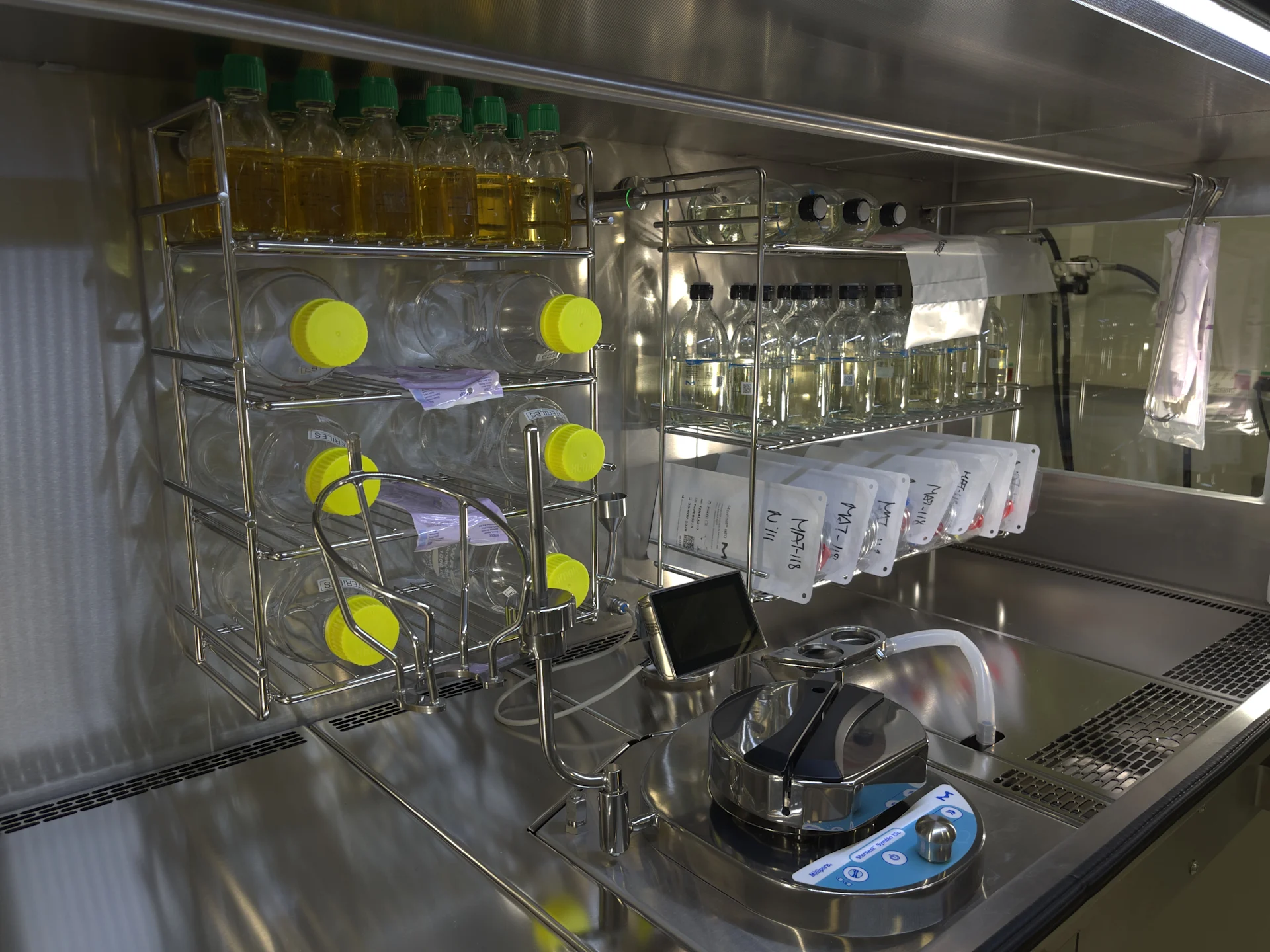
As pharmaceutical practices continue to evolve, the focus around perfecting sterility testing procedures has resulted in most organizations performing testing within aseptic barrier isolators. Aseptic isolators, like the pure2 Aseptic Isolator, offer an enclosed, unidirectional flow environment with ISO Class 5/Grade A air, protecting product sterility to reduce external contamination risks. The closed barrier of an isolator physically separates aseptic products from human contact, ensuring the utmost protection for samples.
The controlled environment within an isolator may be protected further with integrated process control technologies such as gaseous decontamination systems, integral environmental monitoring, and process documentation performed by a compliant Human Machine Interface (HMI). Combined with high-quality finishes throughout, isolators offer a robust solution for confirming product sterility, helping to ensure patient safety.
Key Advantages of Aseptic Isolators for Sterility Testing
1. Grade A Closed-Barrier System for Contamination Control
Aseptic isolators operate as fully enclosed, sealed systems by design. Made of high-quality materials, such as 316L stainless steel, isolators withstand heavy use and routine disinfection cycles with hydrogen peroxide (H2O2). ISO Class 5/Grade A unidirectional HEPA-filtered airflow significantly mitigates contamination risks and sweeps away particulates and aerosols generated during sample processing.
Because an aseptic isolator is a fully enclosed system, room cleanliness requirements are lessened – typically Controlled Not Classified (CNC) to Grade D. Whereas processes involving open laminar flow devices such as Class II Biosafety Cabinets (BSCs) typically require Grade B background conditions. This relaxed requirement can lead to substantial savings in facility design, construction and ongoing operational costs.
Furthermore, open laminar flow devices lack glove ports and airlocks – increasing risk of contamination. The sealed nature of an aseptic isolator minimizes the risk of false positives and ensures the integrity of sterility testing outcomes.
2. Validated Hydrogen Peroxide Decontamination
Decontamination is a critical component of sterility testing, and isolators equipped with validated hydrogen peroxide cycles provide an effective method for eliminating microbial contaminants prior to testing. Hydrogen peroxide is widely used due to its ability to penetrate hard-to-reach areas, ensuring a uniform decontamination process. Validated decontamination cycles enhance sterility assurance by determining appropriate load structure and kill time required to reach a 6-log microbial reduction. These validated methods also support Good Manufacturing Practices (GMP) compliance with clear documentation outlining the effectiveness of the decontamination method. The end result is a reduction of batch failures due to contamination.
3. Robust Glove Port Integrity Testing
Isolator gloves serve as one of the most critical interfaces in sterility testing. Despite the closed nature of an isolator, gloves are required to allow for process intervention. Even minor breaches or microscopic defects in glove materials can compromise the aseptic environment, introducing contamination risks.
To prevent a loss in contamination control, many isolators incorporate glove integrity testing systems to help users understand the state of isolator gloves. Integrity testing ensures that any defects are promptly detected and addressed. Certain advanced isolators, like the pure2 Aseptic Isolator, feature automated pressure decay testing methods with integral record keeping, verifying glove integrity and significantly reducing operator headaches with testing in pursuit of contamination reduction.
4. Comprehensive Environmental Monitoring and Batch Documentation
Regulatory agencies such as the Food and Drug Administration (FDA) and the European Medicines Agency (EMA) require meticulous documentation of sterility testing procedures. Aseptic isolators simplify compliance through validated HMI and software interfaces designed to meet 21CFR Part 11 requirements.
Necessary monitoring, such as viable and non-viable environmental monitoring, automated batch record generation, and real-time data logging can and should all be incorporated within the HMI’s batch records for straightforward reporting. These features provide a detailed account of process parameters, ensuring full traceability and regulatory adherence, easing compliance. With automated monitoring, manufacturers can proactively detect potential deviations and mitigate potential risks before they impact product sterility.
Enhancing Sterility Assurance with the pure2 Aseptic Isolator
Investing in an advanced aseptic isolator is key to optimizing sterility testing operations. The pure2 Aseptic Isolator is a high-performance containment system with tailored features specifically for pharmaceutical sterility testing. Featuring validated hydrogen peroxide decontamination, high-efficiency glove integrity testing with the WirelessGT2 Glove Tester, and automated compliance tracking, the pure2 ensures the highest level of product protection while streamlining regulatory adherence.
By adopting advanced aseptic isolator technology, laboratories can achieve unparalleled contamination control for sterility testing outcomes, increasing operational efficiency. As regulatory expectations continue to evolve, aseptic isolators like the pure2 will remain indispensable tools for safeguarding product sterility and ensuring patient safety.